Seconds, anyone? Why GLP-1s won’t cancel our Christmas dinners
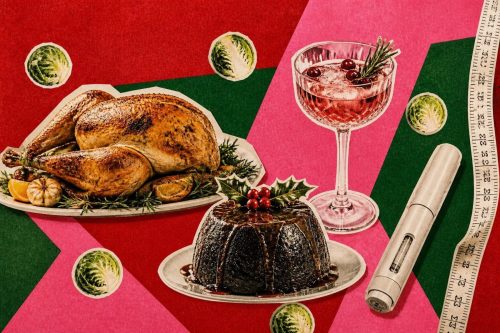
Since the dawn of time (or capitalism, at least), Christmas has been built on excess.
The extra roast potatoes, the second helping of pudding, the bottle opened “just to be sociable”, the tin of Quality Street demolished by Boxing Day and the leftover turkey sandwiches that last well into the new year.
For retailers, restaurants and drinks brands, that excess has long been the whole point. The so-called golden quarter, the run-up to Christmas, is when many make a big chunk of their annual profit, and plan their ranges around the assumption that we’ll want more of everything.
This year, the country’s biggest grocer is preparing for something a little more restrained.
Tesco chief executive Ken Murphy said last week that Britain could be in for a “marginally healthier Christmas”, and a “more moderate” one when it comes to alcohol.
That doesn’t mean the festive blowout is cancelled. Murphy stressed that shoppers still “love to indulge”, and Tesco has stocked up on turkey and mince pies accordingly. But alongside them on the shelves will be new alcohol-free mocktail cans and expanded high-protein and high-fibre ranges.
And Tesco isn’t alone. Waitrose says sales of low and no alcohol drinks have risen 66% in a year, while Diageo is trialling mid-strength versions of Gordon’s, Smirnoff and Captain Morgan at 20% ABV, little more than half the usual strength.
Behind the shift sits a mix of forces. Weight-loss jabs are one, and we have already looked at the winners and losers they are creating. But Murphy argues they are only a “component” of a broader move towards healthier living that began during the pandemic.
Caroline Young, head of shopper insight at grocery research body IGD, agrees. “GLP-1s are part of the picture, but I wouldn’t attribute a more moderate Christmas to weight-loss drugs alone,” she says. “We’re seeing broader shifts towards more considered consumption alongside continued pressure on household budgets.”
Nor does she expect the Christmas table to be unrecognisable. “We’re not expecting a radical change in what people buy this Christmas. Shoppers still want Christmas to feel special, but they are becoming more considered about what and where they spend.”
Even so, the jabs are making their mark on the nation’s shopping baskets.
Nishita Pattni, senior consultant at Worldpanel by Numerator, says: “GLP-1 usage is unlikely to rewrite Christmas, but it could subtly reshape the festive basket. With 6.3% of households now featuring a current GLP-1 user, equivalent to 1.9m individuals, this is no longer a niche influence. Users are already reducing both grocery spend and the number of packs they purchase, with £780 million of spend at risk.”
A glimpse of the future, from across the Atlantic
To see where this could go, look to the US, where the trend is further ahead. By May this year, roughly one in five Americans were using GLP-1 drugs, according to PwC.
American restaurants are already feeling it. PwC found spending at quick-service restaurants fell 8.7% per GLP-1 household after six to eight months, with pizza down more than a fifth. Half of users told the firm restaurants hadn’t caught up with how they now eat.
Diners are finding workarounds. In a survey by restaurant software firm Toast in August, 30% of GLP-1 users said they had ordered from the kids’ menu, and 87% said they would order a smaller version of a regular dish if one were offered. Research from Ohio State University found 46% had dropped alcohol from their orders altogether.
If the UK heads down a similar path, its restaurants and pubs won’t be far behind.
Hospitality’s Christmas dilemma
For UK pubs and restaurants, the timing is awkward. Christmas is when many make a large share of their annual profit, through set menus, office parties and drinks packages built around volume.
Drinks are where the shift is clearest. “Alcohol stands out: a quarter of users say that they’re drinking less, and our data backs this up,” says Pattni.
“Their alcohol spend has fallen 15 percentage points more than non-users’ since they started taking the drugs. That’s particularly interesting heading into a traditionally alcohol-heavy occasion like Christmas.”
That creates a real headache. A three-course set menu and a bottomless drinks package only work if guests eat and drink their way through them. In the US, around a third of GLP-1 users told PwC they wanted smaller portions at proportionally lower prices. Give customers what they’re asking for, and operators risk taking less per head at the very time of year they rely on most.
Last year, IGD suggested venues might need to shift towards more experiential offers, and lighter bites and “micro meals”, to keep diners who are eating less.
The shift is already showing up across the sector, takeaways included. Caprinos Pizza, which has 120 sites, has launched smaller versions of its sides, from hot wings to mac and cheese bites.
“On the one hand, this offers consumers a smaller portion should they prefer it but also allows them to bolt on a side dish at an entry level – perfect for solo indulgence,” says co-founder Khalil Rehman.
He acknowledges that the impact of weight-loss jabs is “certainly something the industry needs to watch”. “However, there is still going to be a place for brands like ours. At the end of a long day or tiring week, we believe that consumers still want to be rewarded with the convenience of a takeaway meal that is great value and flavourful.”
Less, but better
There’s a twist. Eating less doesn’t necessarily mean spending less.
In the US, a William Blair survey found restaurant spending among GLP-1 users fell by just 4% on average, and households earning more than $150,000 actually spent 10.4% more. Fewer visits, but higher spending per visit.
A similar pattern is visible in UK supermarkets. Tesco’s premium Finest range grew sales by 9% in the first half, well ahead of the group as a whole.
According to Young, shoppers are doing both at once. “Shoppers are trying to save money where it matters less so they can spend more where it matters most,” she says.
“Christmas is still an occasion people want to protect, so we expect value-seeking and premiumisation to sit side by side: using loyalty offers and promotions, then trading up on the Christmas meal, treats and other products that make the occasion feel special.”
Caprinos is seeing it too, with customers choosing premium toppings over the past six months. “It’s clear that they are willing to spend, but are more selective and want the experience to be worth it, which we see as an opportunity,” says Rehman.
Among jab users, Pattni says the picture is less about sacrifice than choice. “This isn’t just a story of going without. Over half of users say that they’re eating more mindfully, compared to just 7% who are skipping meals. So rather than disappearing, Christmas indulgence may become more considered and selective.”
Not everyone is reaching for the salad bar. Mohammad Shaikh, chief executive and co-founder of Eatphoria, the group behind Wraps & Wings, believes the industry risks misreading the trend.
“I think there is a danger of drawing the wrong conclusions. Consumers still want to indulge. They want bold flavours, exciting food experiences and dishes they are proud to share on social media. What is changing is the level of choice and control they expect over that experience.”
When Eatphoria overhauled Wraps & Wings earlier this year, it went the other way. “With all the discussion around GLP-1s, you might expect us to have focused on salads and lighter meals,” he says. “Instead, we doubled down on what makes our brand distinctive: flavour, indulgence and food theatre.”
Is this the future of Christmas?
The bigger question is whether this is a passing phase or a permanent reset.
Even among those on weight-loss jabs, Christmas may still win out. IGD research last Christmas found nearly half of GLP-1 users planned to reduce or pause their medication over the festive period. “That suggests Christmas remains a moment when people give themselves permission to relax their usual routines and restrictions,” says Young.
But the effects may reach further than the people taking them. “With 16% saying that their wider household is eating more healthily too, the impact could reach well beyond GLP-1 users themselves,” says Pattni.
And the caution may outlast the decorations. “January is a time when shoppers often pare back their spending and indulgences after the excesses of Christmas,” says Young. “Beyond January, continued challenges to household budgets will mean a more considered approach to spending will probably extend throughout 2027.”
For Shaikh, the answer isn’t to fight that shift, but to hand customers more control. “We aren’t trying to tell people how much they should indulge, but rather giving them the freedom to create a meal that suits their appetite, preferences and occasion, allowing them to trade up or down as they see fit,” he says. “The brands that succeed will be those that give consumers greater control over their experience without compromising on what makes them distinctive.”
The extra roast potatoes and the second helping of pudding aren’t going anywhere this Christmas. But more of us will be stopping to ask whether we really want them, and the businesses that understand that will be the ones still smiling come January.